Deep Encounters – a multifaceted mapping of a small piece of land
A year-long Walking the Land project starting December 2025 involving 13 artists working in different areas/locations across the UK and Australia. Artists will engage with landscape spaces in deep and intricate ways.
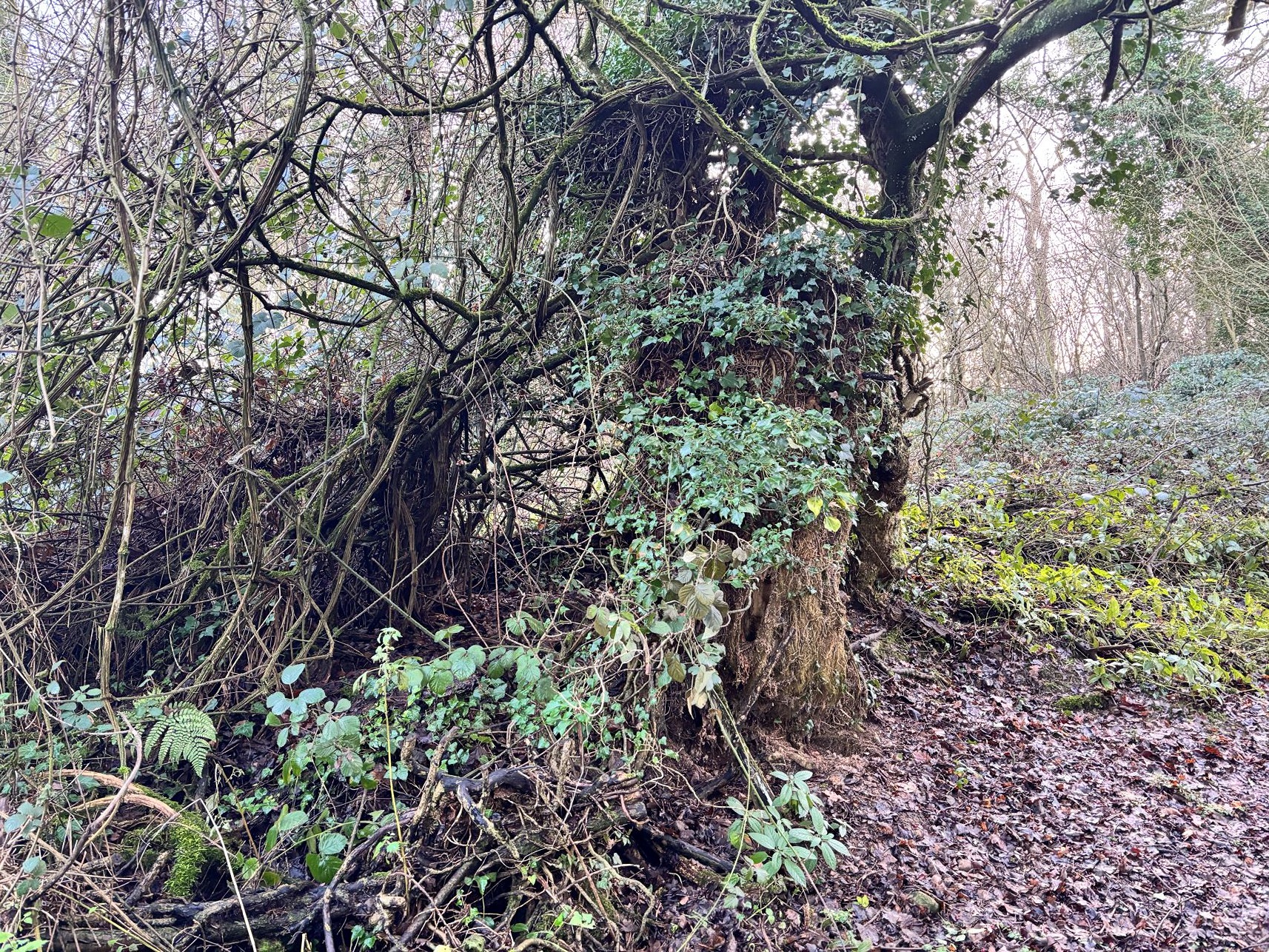
Each artist walks the perimeter of their selected area, tracing an outline, recording over time what it contains using photos, words, drawings, maps, sound; engaging with landscape in deep and intricate ways to consider the perception of land as a living environment and the sensory experience of moving through it. The outcome will be collaborative, but as artists are not working on the same piece of land, they will not be imposing their own ways of working on to others.
A Deep Mapping project
We see this as an exercise in deep mapping; an intensive look at a particular place that might include geography, history, and ecology. Some call the approach ‘vertical travel writing’, while archaeologist Michael Shanks compares it to the eclectic approaches of 18th- early 19thcentury antiquarian topographers, or the psycho-geographic excursions of the early Situationists.
‘…..Places are not stable; they mean different things to different people – even different things at different times. The deep map recognises the slippery identity of place, and seeks to visualise the multiple identities that go towards constructing the human experience of place’. https://wp.lancs.ac.uk/lakesdeepmap/the-project/gis-deep-mapping/
We increasingly need to work in “the curious space between wonder and thought” a space where….“there is no single Disciplinary (in an academic sense) voice” (geographers Stephan Harrison, Steve Pile, Nigel Thrift), …. the: “space–between representation and reality, language and life, category and experience” (feminist philosopher Geraldine Finn).. (see https://www.iainbiggs.co.uk/2014/10/deep-mapping-a-partial-view/)
A small patch of ancient woodland....
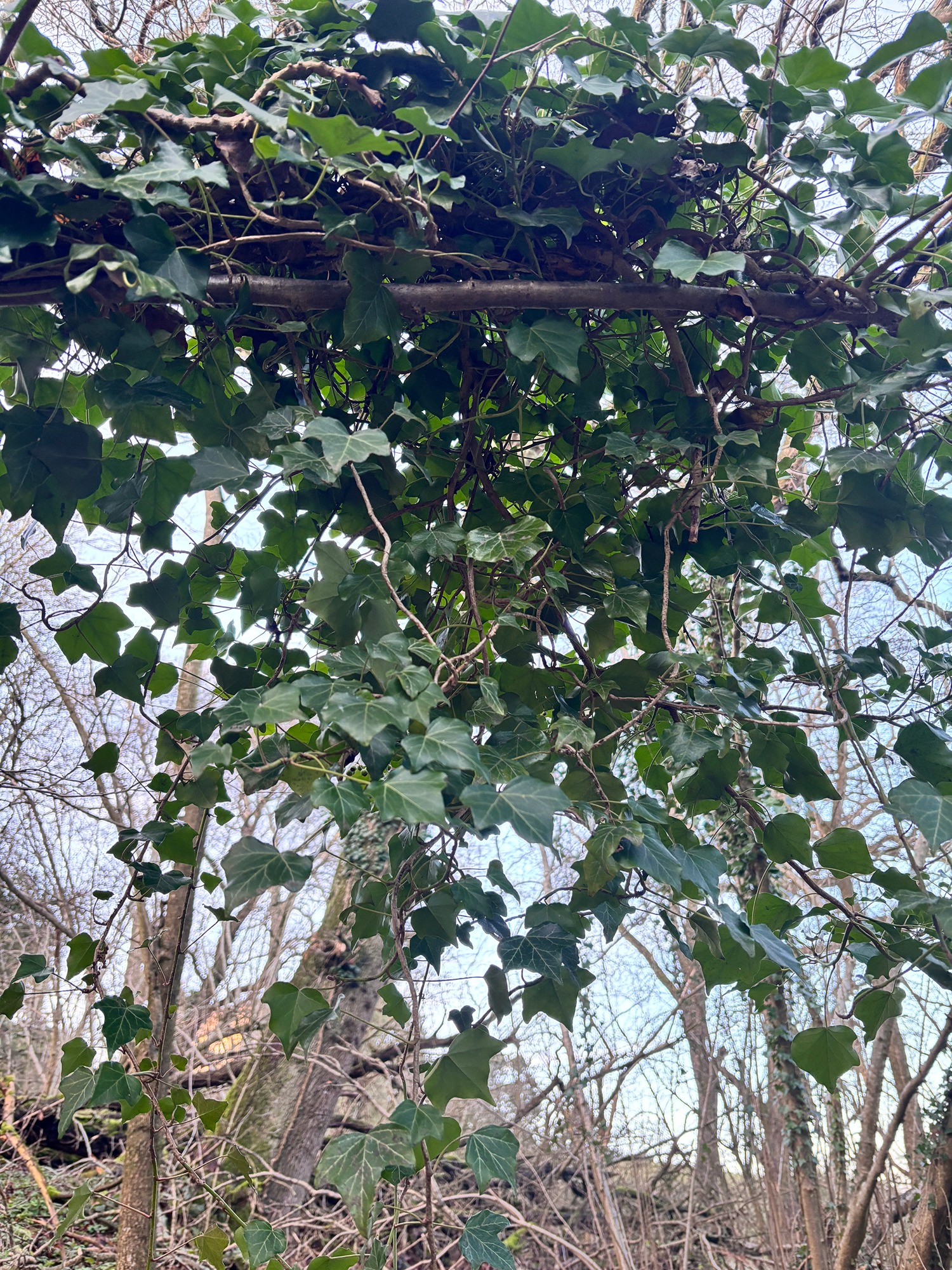
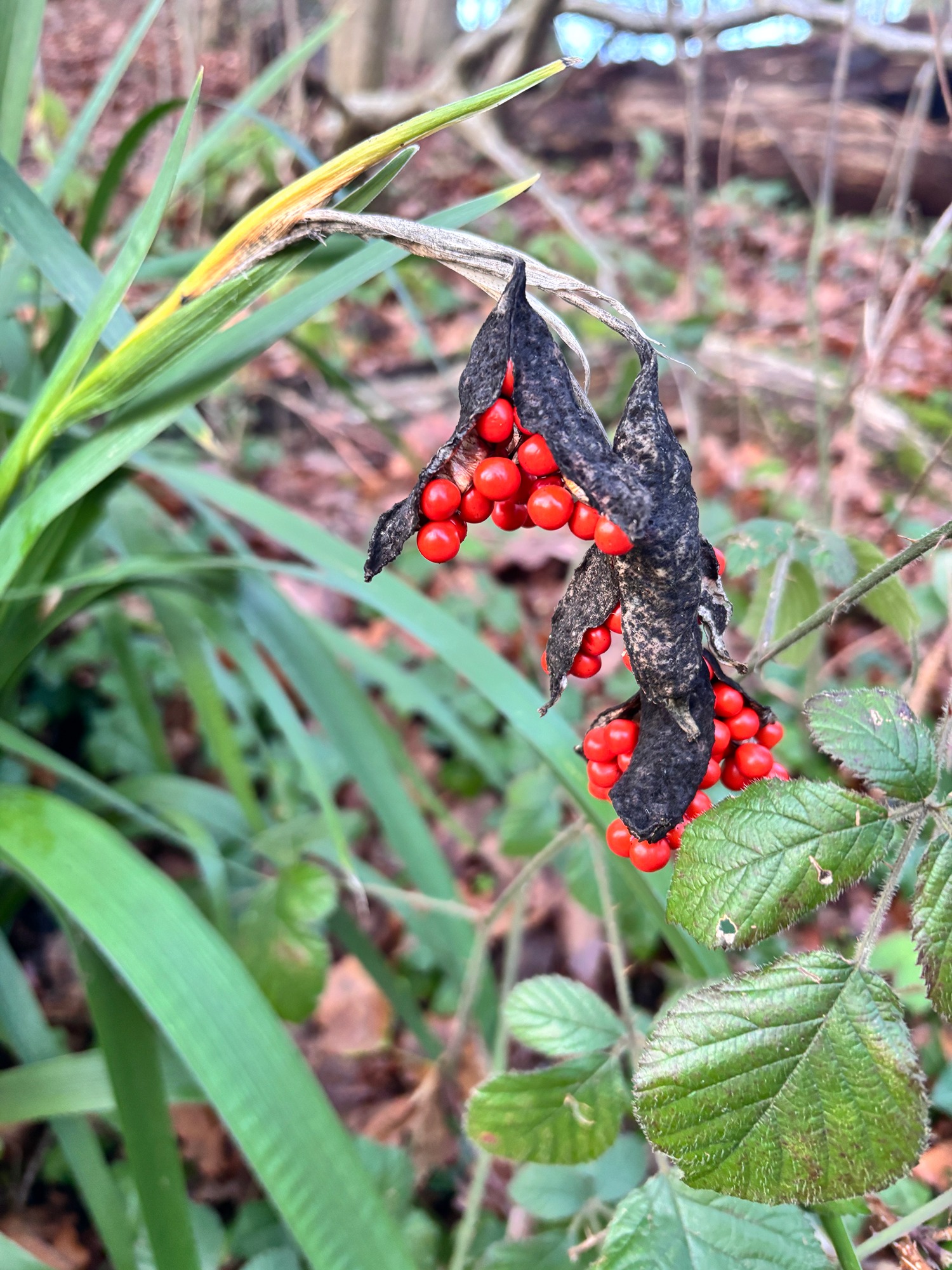
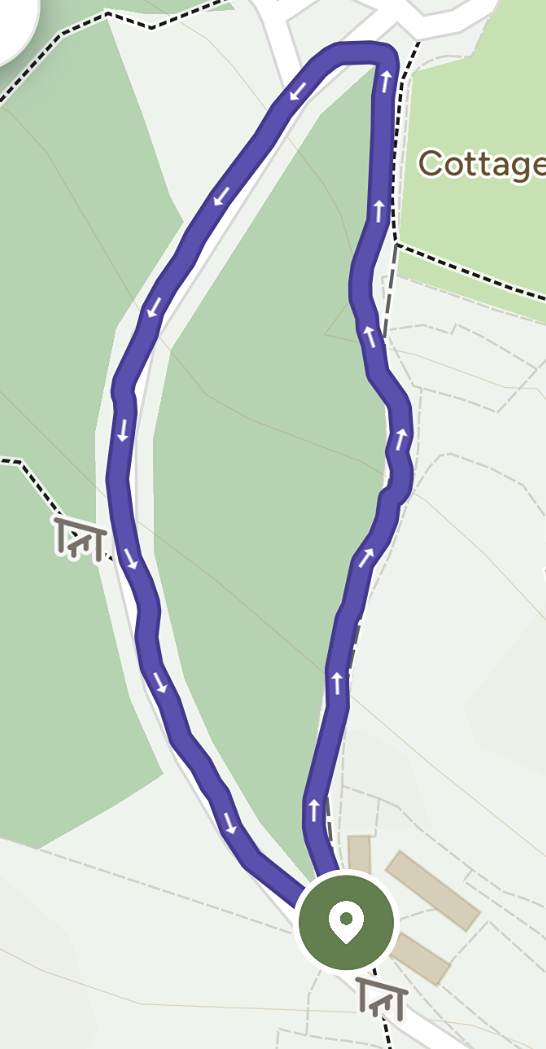
Never a destination but rather a passing point as part of longer walks, this small patch of woodland landscape, nestled on the steep incline close to the top of Chosen Hill, has repeatedly captured my attention. For many years I’ve walked along the fringes, often pausing to photograph the seasonally dominant plant life and sculptural skeletal remains of entangled ivy overgrowth, decaying tree stumps and long fallen branches now home to dense mounds of lush moss, gloriously coloured lichen and trailing foliage. With no footpaths this is not a space that makes closer investigation easy. A man made boundary line separates it from the wider woodland and encircle the site; a narrow road on one side and connecting footpath track along the other creating a route of approximately 565 paces. I’ve wondered what lies much deeper within this space which forms part of a much wider ancient woodland and site of historical significance.
Chosen Hill is a site rich with a history of human influence. Adjacent to my enclosed area lies remains of an Iron Age Hillfort now buried beneath reservoirs. Parts of St. Bartholomew’s Church date back to 12th Century and Roman steps close by. The temporality of these ancient histories and close proximity makes the woodland space I plan to explore all the more appealing to investigate. I will continue to research the history of the site alongside an evolving process of sensory exploration through walking, drawing, collecting, documenting and making.