Salmonsbury Project: a celebration of landscape, archaeology, history and art.

A collaboration between six Walking the Land Artists artists, the Gloucestershire Wildlife Trust Greystones Nature Reserve, Bourton-on-the Water, and the Corinium Museum, Cirencester.
An exhibition at the Corinium Museum, Cirencester, 10 September – 11 October, Salmonsbury: a celebration of landscape and history, brings together this unique combination of archaeological and artistic engagement in response to the historic Salmonsbury landscape situated within the Greystones Nature Reserve. On display are artworks created in response to the site, alongside artefacts from the archive.
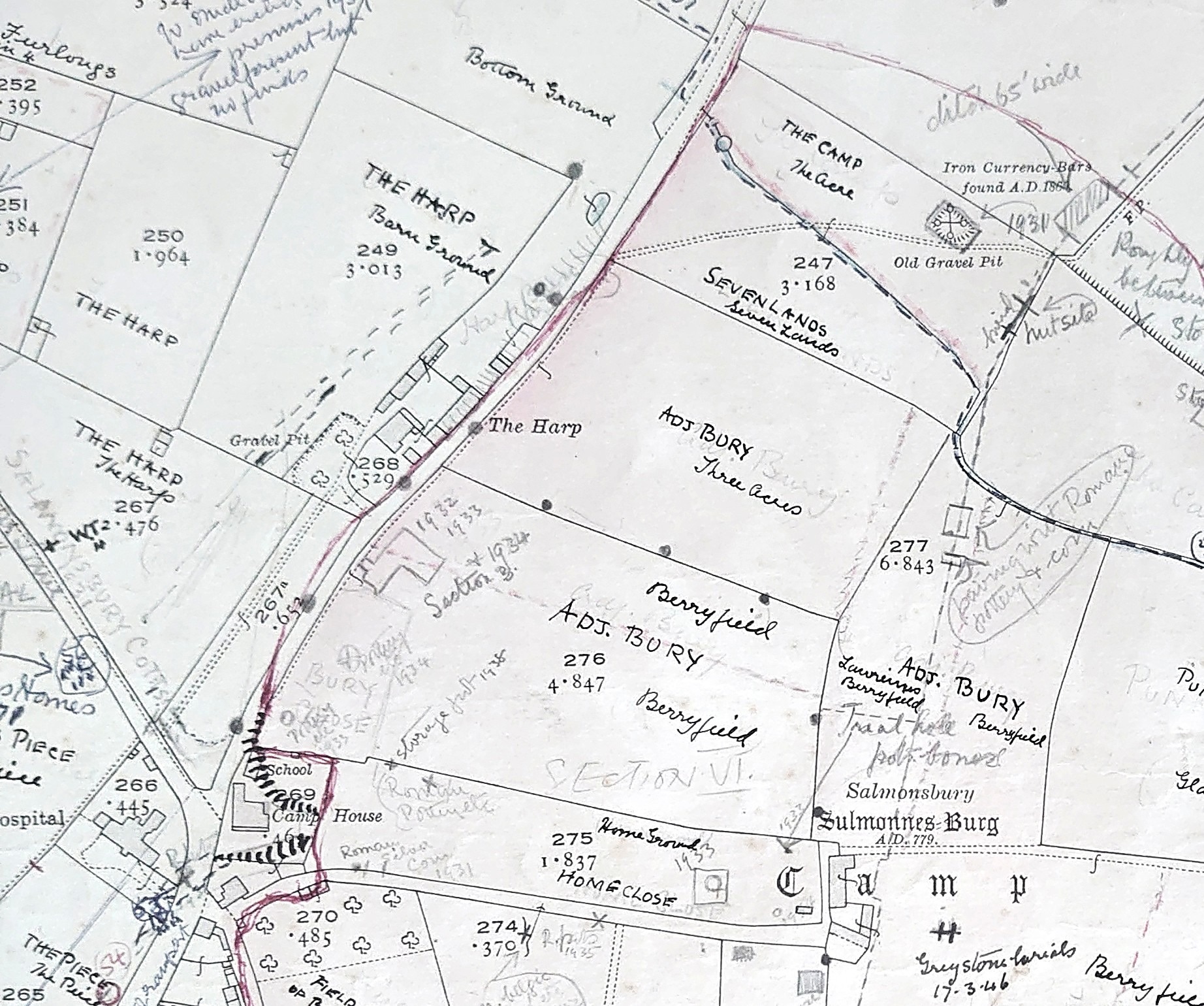
The Salmonsbury camp itself is Iron Age in date with activity continuing into the Roman occupation. Excavations beginning in 1930's, found Anglo Saxon burials and Medieval Ridge and Furrow as well as evidence for activity from the Neolithic and Bronze Age. The site was used as the meeting place for the court leet of the Salmonsbury hundred. The paper archive at the Corinium Museum includes digs from the Thirties up to the 2000’s: also revealing some of the story of the extraordinary female archaeologist Helen O’Neill..


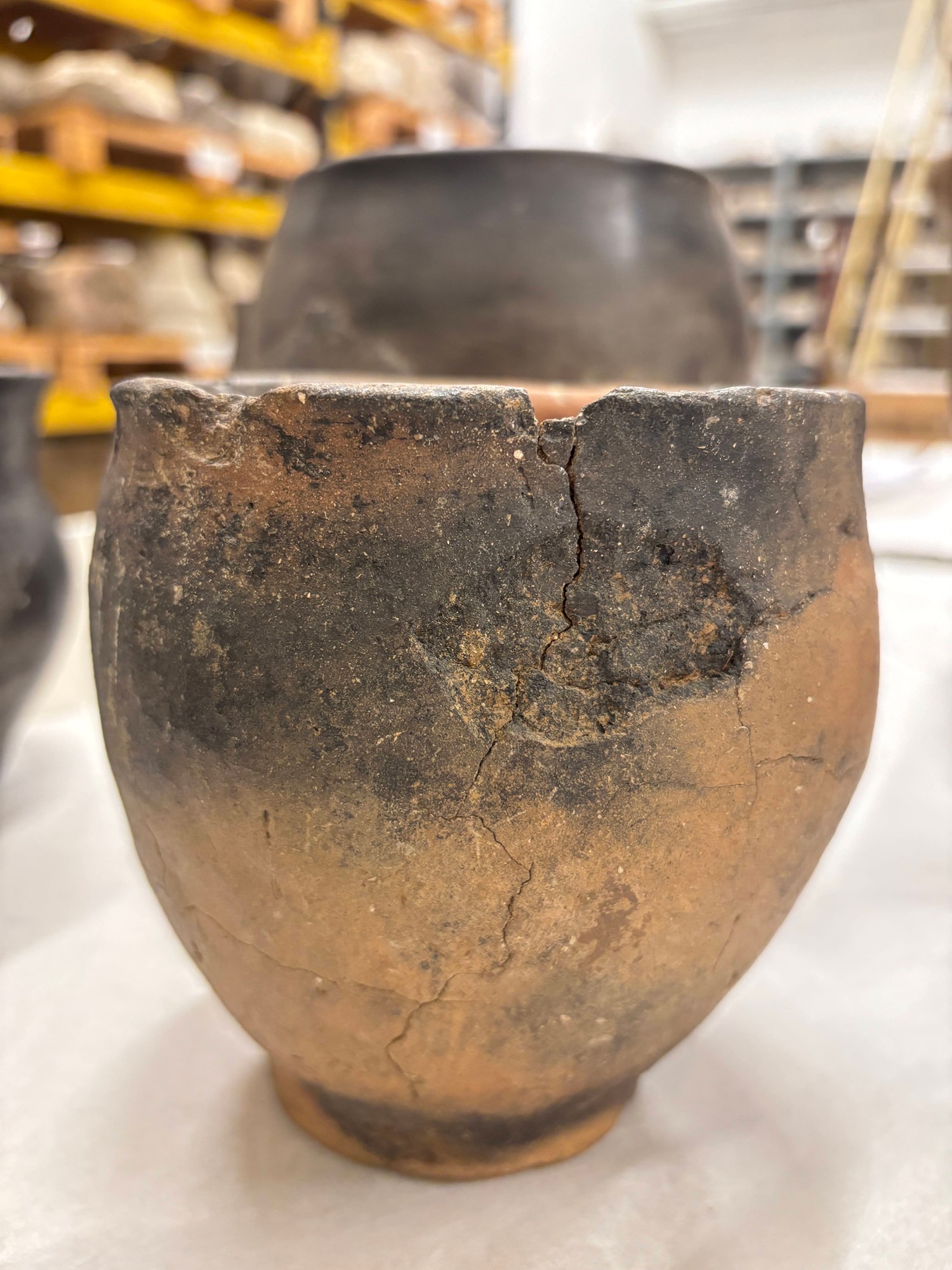
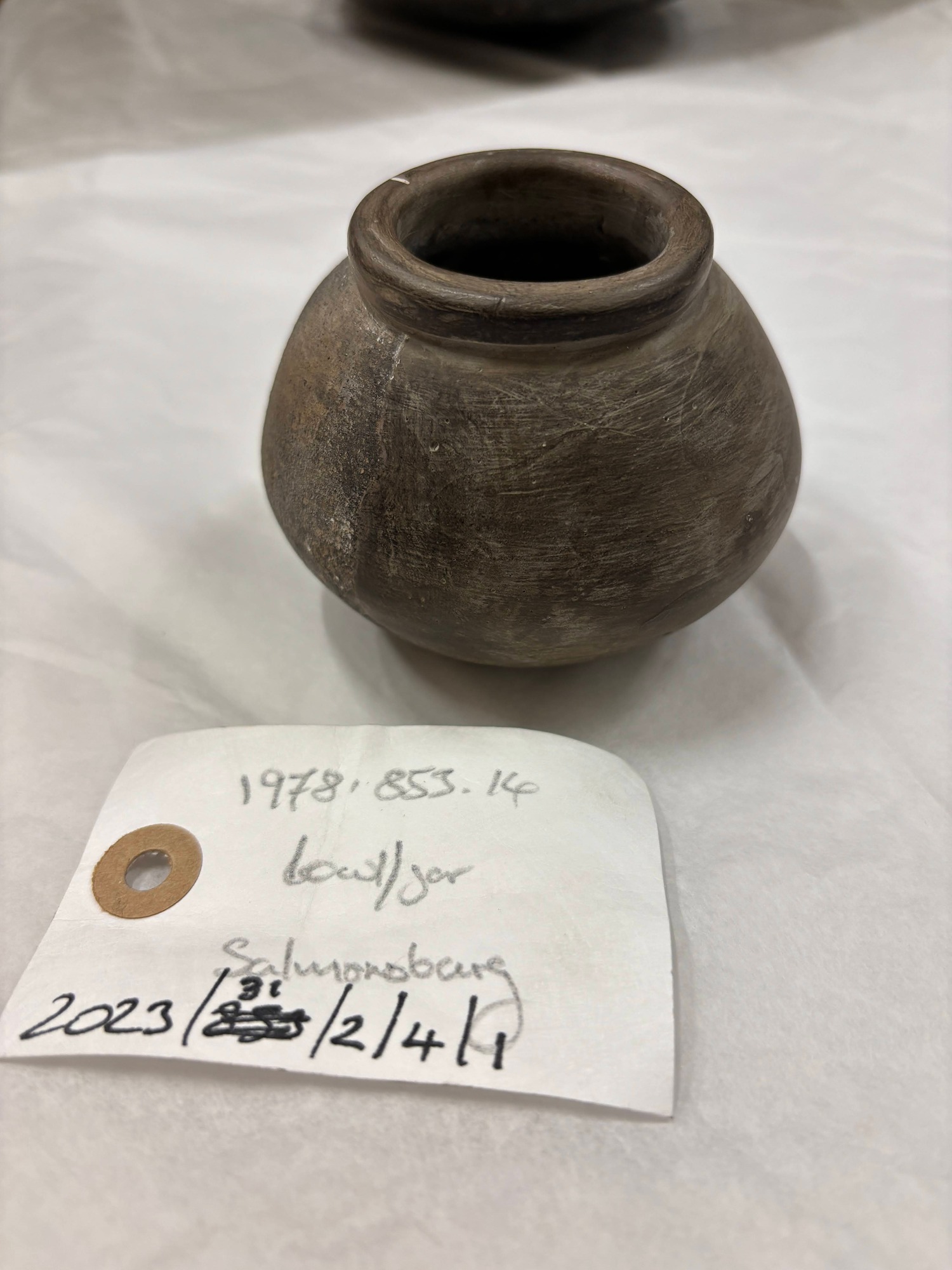
Hands-on access to the archaeological store of recovered artefacts and paper archive of maps, letters, drawings and notebooks relating to the site provided new ways of connecting and visualising the multi-layered matrix of activity embedded beneath our feet during our seasonal walks onsite.
Inspired by the collection of pottery finds and in recognition of the overwhelming scarcity of any archaeological baskets and weaving, I wanted to work with traditional and contemporary basketry techniques. My practice engages with themes of the temporality of the landscape and I've long been intrigued by the idea of landscape being understood as a vessel. Holding fragments of everything that has ever been. Each place becomes understood as a form of archive, a living museum holding traces of physical memories of interaction, movement, and connection through the transient encounters and histories of its people and evolving ecologies.


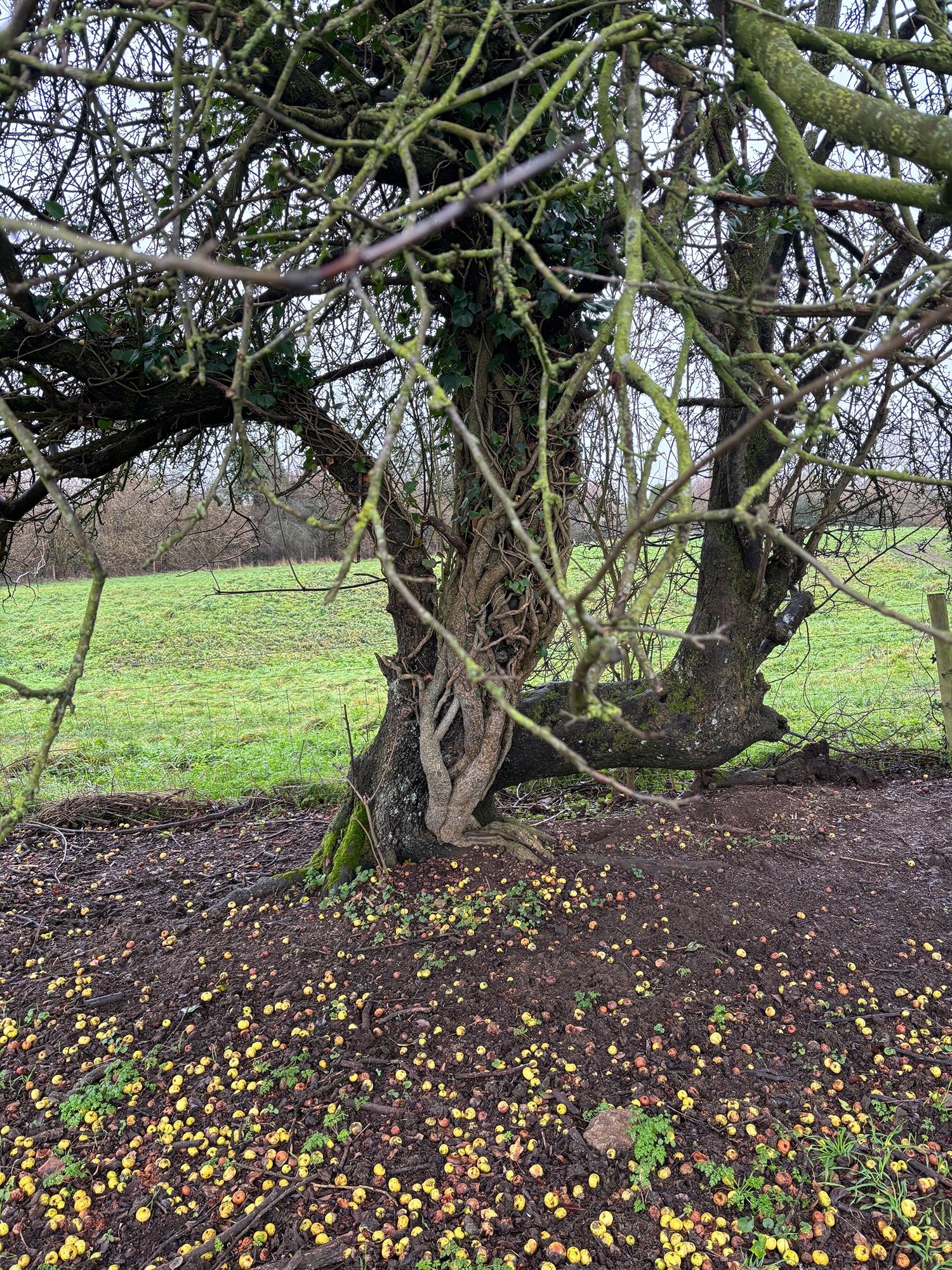
While most of the archaeological history of Salmonsbury lies beneath the surface of the ground, and to the untrained eye is perhaps invisible, the nature of this scheduled site felt alive and energised at all times of the year. Sharing glimpses into a landscape perhaps invisible.
Working with sensitively gathering permitted plant samples together with river water, soil and clay speaks directly to the continuity of the Salmonsbury landscape through the ages.
Cyanotypes of Helen O’Neils handwritten notes made during the 1930’s Salmonsbury excavations and correspondence with fellow archaeologist Gerald Dunning acknowledge the enormous contribution of Helens enquiry and the insight her commitment and enthusiasm continue to provide us with today.